



A product sale is just the place to begin of a value-added reseller’s work. To know what’s a value-added reseller VAR, look past the transaction to how a companion adapts merchandise to buyer wants via companies corresponding to integration, configuration, coaching, or assist. That experience might help flip a standalone product into an answer suited to a buyer’s enterprise.
It’s straightforward to confuse a VAR with a standard reseller or one other channel companion, particularly when their roles overlap. This text explains how the VAR enterprise mannequin works, what VARs do past reselling, and the way they differ from distributors, system integrators, and OEMs. It additionally covers sensible methods producers can assist VAR relationships via clear deal registration, clear incentives, coaching, and constant communication. Lastly, it exhibits how centralized companion workflows and efficiency visibility might help producers handle channel exercise, together with via CMR’s channel-management options.
Key Takeaways
- To know what’s a value-added reseller var, have a look at the companies that adapt or combine a product to satisfy buyer wants.
- Hint how a VAR helps clients, from understanding necessities via implementation and ongoing use.
- Distinguish VARs from resellers, distributors, OEMs, and system integrators by their main roles and buyer relationships.
- Construct stronger VAR partnerships with clear onboarding, present product assets, and outlined workflows.
- Use centralized companion info and channel workflows to enhance visibility into program exercise and efficiency.
What Is a Worth-Added Reseller (VAR)?
A worth-added reseller (VAR) sells a third-party product with further companies or capabilities. These companies can adapt, configure, or combine the product to handle a buyer’s necessities, slightly than merely passing the product alongside.
To know what’s a value-added reseller var, give attention to the work that connects a product to a usable answer. A VAR might assist a buyer choose parts, make them work collectively, and put together staff to make use of them. The precise function depends upon the settlement, product, buyer, and market. As outlined in What’s a Worth-Added Reseller (VAR)?, the mannequin generally combines merchandise with companies to create an built-in providing.
For a concise overview of the VAR mannequin, watch this video:
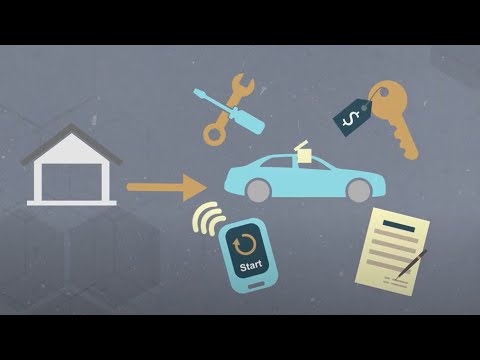
What does a value-added reseller do?
A VAR might assess necessities, suggest an answer design, configure or customise merchandise, combine parts, and handle implementation. Relying on the engagement, it could additionally present coaching, troubleshooting, or post-purchase assist. By coordinating these companies, the VAR may give the shopper a extra direct path from product choice to efficient use.
Instance: A enterprise wants a system to assist a selected workflow. A VAR would possibly mix {hardware} and software program, configure the parts to work collectively, implement the setup, and practice the shopper’s staff. The client receives a coordinated bundle as a substitute of managing every product and repair individually.
What makes a reseller a VAR?
The excellence is the service layer. A standard reseller primarily sells a product, whereas a VAR contributes significant customization, integration, implementation, or different experience that shapes how the product serves the shopper. The time period describes a enterprise mannequin, not a hard and fast bundle of companies, so the value-add can differ from one relationship to a different.
A reseller sells the product; a VAR helps adapt and ship it as a part of an answer. The distinction is sensible: the VAR’s contribution connects the providing to the shopper’s necessities. Outline the duties for every engagement slightly than assuming them from the VAR label alone.
How Does a VAR Create Worth Throughout the Buyer Journey?
A VAR’s contribution can start with a dialog a few enterprise want and proceed via deployment and post-launch assist. The work usually follows a sensible sequence: perceive the necessities, assemble or adapt an acceptable answer, implement it, and assist its use. Not each VAR supplies each service. The scope depends upon the companion’s capabilities and the phrases of the shopper relationship.
A VAR bridges product capabilities and customer-specific necessities by shaping how merchandise are configured, linked, and put into use. That may cut back the shopper’s coordination burden whereas clarifying the distinction between the product itself and the companies a companion supplies round it.
From buyer necessities to an built-in answer
Discovery begins with the shopper’s workflow, current atmosphere, constraints, and desired outcomes. The VAR makes use of that context to contemplate which product configuration or complementary companies might match. Relying on the engagement, its function would possibly embrace recommending parts, configuring a product, or coordinating integration work. No single technical activity applies to each VAR relationship.
Illustrative IT instance: An organization needs to attach new enterprise software program with its current methods. A VAR would possibly make clear the required knowledge movement, configure the software program, and coordinate integration with different parts. The producer provides the product and its underlying capabilities; the VAR contributes partner-delivered planning or implementation companies. The settlement defines how the work is split.
Implementation, coaching, and ongoing assist
After answer design, a VAR might help with deployment, clarify the brand new workflow to customers, and supply coaching tailor-made to the shopper’s setup. These steps assist staff perceive how you can use the answer of their day-to-day work. They don’t change what the unique product contains; they’re companies delivered by the VAR when included within the engagement.
Help might proceed after launch. Relying on the association, the VAR would possibly troubleshoot points, clarify configuration decisions, or coordinate product questions. This may give clients a sensible level of contact throughout adoption. Outline assist scope and duties for every relationship.
Throughout the shopper journey, the VAR interprets necessities into choices about configuration, complementary companies, deployment, and person enablement. Mapping every stage helps clients perceive the place the companion’s contribution begins and ends, and which duties stay with the product producer.
For producers, mapping these touchpoints can even make clear the place companion workflows and exercise knowledge want coordination. CMR’s 90-day free trial lets groups discover channel administration workflows.
VAR vs. Reseller, Distributor, OEM, and System Integrator
Channel roles can overlap, however every has a unique main contribution. To know what’s a value-added reseller VAR, examine its work with that of a standard reseller, distributor, unique tools producer (OEM), and system integrator. These distinctions assist map duties throughout a sale, from making a product to getting ready it for a buyer’s atmosphere.
| Function | Main contribution | Buyer relationship | Typical actions |
|---|---|---|---|
| Reseller | Sells merchandise to clients | Usually transacts immediately with the tip buyer | Product choice and resale |
| VAR | Provides companies or capabilities to merchandise earlier than resale | Could advise and work immediately with the tip buyer | Configuration, customization, implementation, or integration |
| Distributor | Helps product motion via the channel | Usually serves resellers or VARs | Supplying merchandise to channel companions |
| OEM | Creates the unique product | Could promote via channel companions or immediately | Designing and manufacturing its providing |
| System integrator | Connects applied sciences or methods so that they work collectively | Works with clients on integration wants | Coordinating methods, purposes, and parts |
VAR vs. reseller and distributor
A reseller’s major contribution is making a product accessible to a purchaser, although its duties can fluctuate. A VAR provides a service or integration layer that adapts the providing to buyer necessities. A distributor typically occupies a unique place within the channel, serving to transfer merchandise from producers to resellers or VARs slightly than focusing totally on delivering an answer to an finish buyer.
These roles aren’t all the time separated by firm. A company would possibly distribute merchandise and likewise present configuration or implementation companies. To differentiate the roles in a particular transaction, have a look at the work being carried out: product provide, resale, or customer-focused value-added supply.
VAR vs. OEM and system integrator
An OEM originates the product; a VAR resells merchandise made by one other firm and should adapt or combine them for a buyer. A system integrator focuses on connecting applied sciences or methods so that they function collectively. Integration can be a part of a VAR’s service, so the labels aren’t mutually unique.
For instance, a VAR might resell a producer’s software program and coordinate its connection to a buyer’s current instruments. The OEM stays the supply of the software program, whereas the VAR handles resale and customer-facing companies. A system integrator might focus extra narrowly on cross-system design and implementation. In apply, look at the duties within the engagement, not simply the companion’s title.
How Producers Can Construct Efficient VAR Partnerships
Recruiting VARs is just the beginning of constructing a channel. Companions want clear processes, helpful product info, and visibility into the workflows that form their work with a producer. With out these foundations, even succesful companions can encounter friction throughout onboarding, product positioning, alternative registration, and program administration.
Understanding what’s a value-added reseller var helps producers give attention to the connection in addition to the function. A VAR contributes customer-facing experience, so producers can assist that contribution with well timed assets and predictable processes. Make it clear how companions get enabled, submit alternatives, entry program info, and assessment exercise.
Allow VARs with clear processes and assets
Structured onboarding can introduce companions to product positioning, program necessities, and assets for buyer conversations. Hold coaching supplies and product content material present, organized, and accessible so companions can use constant info as merchandise or packages change. Broader companion relationship administration connects these actions throughout the companion lifecycle, from onboarding via ongoing engagement.
Deal registration additionally advantages from a clearly outlined course of. Specify what info a submission requires, the way it strikes via assessment, and the way companions can see its standing. Clear steps cut back uncertainty for companions and the interior groups managing this system. Clarify how registration connects to different companion processes, together with incentives, and maintain necessities straightforward to seek out slightly than scattering them throughout paperwork and communication channels.
Dependable channel knowledge offers producers a stronger foundation for companion program choices. It helps groups assessment exercise, spot info gaps, and refine program processes.
Use channel knowledge to know companion exercise
Gross sales and point-of-sale (POS) info might help producers perceive exercise throughout oblique channels. Constant reporting makes it simpler to interpret submissions and partner-reported gross sales inside a shared view as a substitute of counting on disconnected information or inconsistent definitions. Channel knowledge administration helps knowledge high quality and visibility, each vital when reviewing companion exercise throughout a channel.
Efficiency visibility ought to assist helpful program oversight, not simply produce experiences. Producers can use shared info to determine workflows that want consideration, decide the place companions may have up to date assets, and assessment whether or not program processes are getting used as meant. Knowledge doesn’t exchange companion communication; it offers either side a extra constant foundation for it.
Centralized workflows can deliver onboarding, deal registration, program exercise, and channel info right into a extra coordinated working mannequin. Producers evaluating how you can manage companion processes can discover CMR’s 90-day free trial.
How CMR Helps Producers Managing VAR Channels
Managing a VAR channel includes greater than recruiting companions. Producers additionally want workable processes for onboarding, deal registration, program exercise, and channel info. When these workflows are fragmented, groups can wrestle to take care of a shared view of companion exercise and program standing.
Understanding what’s a value-added reseller VAR clarifies why these relationships want coordination: companions contribute customer-facing work, whereas producers handle the packages and knowledge that assist the channel. Laptop Market Analysis supplies channel administration software program for producers and different organizations that depend on oblique gross sales. CMR helps channel packages; it isn’t a VAR.
Centralize companion exercise and channel workflows
PartnerPortal is CMR’s platform for centralized channel program administration. Its capabilities embrace companion onboarding and deal registration, whereas channel info helps producers assessment companion exercise and efficiency. Coordinating these processes may give program groups a clearer view of companion participation and the standing of key workflows.
For instance, a producer can use outlined onboarding steps to prepare how companions enter a program, then use a constant deal registration course of to document and assessment alternatives. Efficiency visibility and channel knowledge can inform program oversight alongside these workflows. CMR’s channel companion administration software program centralizes channel program administration, serving to producers coordinate partner-related processes as a substitute of relying solely on disconnected information.
Centralization additionally offers producers a sensible basis for managing program info over time. Groups can use clear processes for companion participation, deal exercise, and channel knowledge, then apply that info to program administration. The software program helps operational coordination; it doesn’t exchange the producer’s choices about companion technique, program guidelines, or how you can act on efficiency insights.
Consider the method with a 90-day free trial
A channel platform ought to be assessed in opposition to the workflows a producer must handle. Throughout CMR’s 90-day free trial, groups can consider how the platform matches their companion onboarding, deal registration, efficiency visibility, and channel knowledge processes. This provides them an outlined interval to evaluate operational match with out assuming a selected final result or implying that entry stays free after the trial.
As you assess the platform, contemplate whether or not its info and workflows assist the way in which your group manages its channel program. Reviewing present processes might help determine the place companion exercise is coordinated successfully and the place groups may have larger consistency.
Begin your 90-day free trial to judge CMR’s channel administration software program in opposition to your VAR program workflows.
Put Your VAR Channel Technique Into Apply
Understanding what’s a value-added reseller var is a place to begin. The following step is constructing a channel method that works throughout your companion community. Contemplate the place companion info is maintained, how alternatives transfer via assessment, and whether or not groups can see the exercise they should handle this system. These questions assist determine sensible areas to evaluate with out assuming each companion wants the identical course of.
A coordinated view of workflows and channel knowledge offers your staff a clearer foundation for reviewing the way it helps companions. Use that view to evaluate whether or not a channel administration platform matches the way in which your group operates. CMR’s trial supplies a possibility to judge the platform in opposition to your individual workflows.
To evaluate that match, begin your 90-day free trial and consider centralized channel administration on your VAR program.
Continuously Requested Questions
What’s a value-added reseller in easy phrases?
A worth-added reseller (VAR) sells one other firm’s product with further experience or companies that assist tackle a buyer’s wants. For instance, a VAR would possibly configure enterprise software program to suit a staff’s workflow or assist coordinate deployment. To know what a value-added reseller is, have a look at the companion’s contribution across the product, not simply the transaction. The precise companies rely on the companion’s capabilities and settlement with the shopper.
How does a VAR generate income?
A VAR might earn income from product resale and from charges for companies it supplies. These companies would possibly embrace consulting, configuration, implementation, coaching, or assist, relying on the engagement. How a VAR packages and expenses for services and products varies by enterprise and settlement. Prospects ought to perceive which work is included in a proposed answer and which companies could also be priced individually.
Is a VAR the identical as a distributor?
No. A distributor typically provides merchandise to resellers or different channel companions, whereas a VAR usually sells to or works with finish clients and provides companies to the providing. The roles can overlap: an organization might distribute merchandise and likewise present customer-facing companies. To differentiate them in a particular transaction, contemplate who the client is and whether or not the group is primarily supplying merchandise via the channel or delivering a tailor-made answer.
What’s the distinction between a VAR and a system integrator?
A VAR’s function facilities on reselling merchandise with further worth, whereas a system integrator focuses on connecting applied sciences so that they operate collectively in a buyer’s atmosphere. A VAR might also carry out integration, so the phrases aren’t mutually unique. As an example, a company might resell software program and configure its connection to different methods, whereas one other engagement would possibly focus primarily on designing and coordinating a multi-system integration.
Can a VAR customise software program or {hardware}?
Sure. A VAR might customise or configure software program or {hardware} when the product’s technical limits and the companion’s capabilities permit it. Software program work might contain settings or workflows; {hardware} work would possibly contain assembling parts right into a customer-specific setup. Customization isn’t mechanically a part of each VAR engagement. Outline the requested modifications, duties, and product assist boundaries within the undertaking scope.
Why do producers work with value-added resellers?
Producers work with VARs to achieve clients via companions that deliver product information, market experience, or customer-facing companies to the connection. A VAR might clarify how an providing matches a selected enterprise context and assist its adoption. This channel mannequin can prolong a producer’s path to market. Accomplice enablement and clear program processes assist align the producer’s assets with the VAR’s buyer work.
What industries generally use VARs?
VARs are widespread in know-how markets, the place clients may have merchandise configured, linked, or supported as a part of a broader answer. In addition they function in areas corresponding to telecommunications, healthcare know-how, and enterprise tools. The worth-add varies by trade: one companion would possibly give attention to software program deployment, whereas one other helps specialised tools. In every case, the mannequin connects a third-party product with companies related to its meant use.


Article by
Del Heles
Del Heles is the founder and CEO of Laptop Market Analysis (CMR), a channel administration software program firm he launched in 1984. With greater than 40 years of expertise, he’s recognized for serving to producers and distributors simplify complicated companion packages via sensible, customer-focused know-how options.