

When you’re building a high-quality mobile app, you’ve committed both time and money. Insufficient testing, though, can spoil your investment. Forrester’s checklist for mobile testing identifies 38 pitfalls that can easily be overlooked. Here are six of them that many mobile application development teams forget:
1. Have you tested your UI with all forms of gesture navigation? What happens when your user swipes: Does it bring up a menu or dismiss the app? As devices evolve, the gestures we use to operate them changes. If you’re using gestures in your app, you need to test with different OS versions.
2. Do you build regression tests as you update the app? You fixed that bug, and now it’s back from the dead. To avoid defects that you thought you had buried, add test cases for every defect that gets reported and fixed, so you can be sure it stays fixed.
3. Have you tested what happens when you don’t have permissions? Many devices limit access to sensors that could provide data about the user. Users may refuse to give you permission — or may revoke it later. Make sure your app continues to behave well in both cases.
4. Did you test your app when the network was not available? Your infrastructure team makes sure the network in your development lab is solid. The one in your house (or your car) might be … a little flaky. Use virtual network testing tools to ensure that your app does the right thing when your user is out of network range — and picks back up when the network returns.
5. Does the app meet app store standards? Your app needs to be available in the Google Play store and Apple App Store. Make sure your app stays compliant with Apple’s and Google’s standards. Remember, user feedback matters: Low scores or excessive crashes can result in your app being pulled.
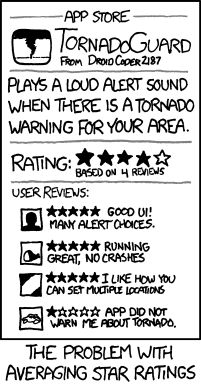
Used with permission from xkcd.com.
6. Does your app update correctly from previous versions? Mobile apps are often updated. Libraries change underneath, features are added, and app stores force upgrades to minimum platform levels. Old versions may include triggers (such as Android’s ACTION_MY_PACKAGE_REPLACED) that run unexpectedly with new libraries. Automate tests for upgrades of the versions that previous users have installed.
For more, get Forrester’s complete mobile testing checklist.
Written with Zachary Stone

